Iron deficiency in patients with chronic diseases: how to choose safe correction strategies?
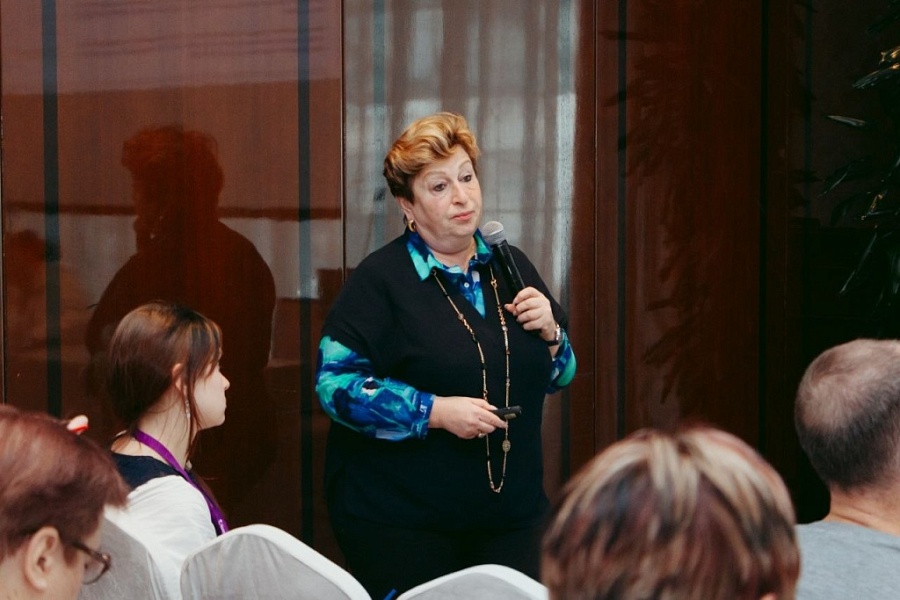
One in four elderly adults in Russia suffers from anemia, and in the overwhelming majority of cases, the underlying cause is iron deficiency[1]. Iron deficiency is not merely a laboratory abnormality. It is a well-established risk factor for falls and fractures, sarcopenia, depression, cognitive impairment (including dementia), cardiovascular complications, and, consequently, increased overall mortality. Safe approaches to iron deficiency correction were discussed by leading experts at the 33rd Russian National Congress "Man and Medicine" and the 2nd All-Russian Forum "Longevity Technologies."
According to the World Health Organization (WHO), iron deficiency ranks third among the causes of disability, increases the duration of hospital stays, raises healthcare costs, and contributes to higher overall mortality[2]. Russia is classified as a country with a moderate risk of iron deficiency. Under the WHO classification, this calls not only for treatment of individual patients but also for population-wide preventive measures. Today, physicians have laboratory tools that allow detection of iron deficiency at the latent stage, and intervention should ideally begin at this stage rather than after clinical manifestations develop.
One of the key causes of iron deficiency is an unbalanced diet. One in five patients does not obtain sufficient iron from food. Contributing factors include vegan and vegetarian diets, «hidden hunger» (affordable high-calorie but micronutrient-poor foods), the global trend toward reduced consumption of animal products, as well as modern food storage and processing technologies.
In addition, iron absorption in older adults may be impaired by chronic blood loss, malabsorption disorders, medication use, and geriatric syndromes. At the same time, iron deficiency significantly worsens the prognosis of patients with cardiovascular disease, diabetes mellitus, chronic kidney disease, and inflammatory bowel disease[3].
Four main approaches are currently recommended for the prevention of iron deficiency: increasing the consumption of iron-rich foods; improving the bioavailability of dietary iron through supplementation with vitamins C and D; food fortification (iron enrichment of food products); supplementation, i.e., the regular use of dietary supplements by individuals at risk[4].
According to Evgeniya V. Shikh, Doctor of Medical Sciences, Corresponding Member of the Russian Academy of Sciences and Professor, more than 40% of patients with iron deficiency discontinue iron-containing medicines and supplements prematurely due to adverse effects such as nausea, abdominal pain, and constipation. These reactions are associated with the fact that conventional ferrous salts, such as iron sulfate and iron chloride, are oxidized in the intestine, damage the mucosa, and disrupt gastric mucus secretion.
Studies demonstrate that iron bisglycinate causes a significant increase in hemoglobin and ferritin levels and, compared with iron sulfate, significantly reduces the frequency of gastrointestinal adverse effects[6].
Iron bisglycinate 30 mg in combination with vitamins C, B6, B12, and B9 (a combination also contained in the dietary supplement Vitaferr®) increases hemoglobin and ferritin levels similarly to iron sulfate 100 mg. Comparable efficacy was achieved at an iron concentration 6.7 times lower, while the chelated form of iron caused significantly fewer adverse reactions[7].
The combination of 30 mg of chelated iron with B vitamins and vitamin C has been recognized as optimal for the effective and safe prevention of latent iron deficiency and iron deficiency anemia[8].
Given the increasing prevalence of iron deficiency and the extent of its impact on public health, the introduction of effective and safe preventive strategies into clinical practice is becoming particularly important. A comprehensive approach to prevention, based on early diagnosis and the use of modern chelated forms of iron when sufficient intake of this micronutrient from food is not possible, can substantially reduce the burden of iron deficiency.
1 Khovasova N.O., Vorobyeva N.M., Tkacheva O.N., Kotovskaya Yu.V., Naumov A.V., Selezneva E.V., Ovcharova L.N. Prevalence of anemia and its associations with other geriatric syndromes in people over 65 years of age: data from the Russian epidemiological study EVKALIPT. Therapeutic Archive. 2022;94(1):24–31. https://doi.org/10.26442/00403660.2022.01.201316 2 GBD 2021 Anaemia Collaborators. Prevalence, years lived with disability, and trends in anaemia burden by severity and cause, 1990-2021: findings from the Global Burden of Disease Study 2021. Lancet Haematol. 2023 Sep;10(9):e713-e734. https://doi.org/10.1016/S2352-3026(23)00160-6 3 Oganov R.G., Denisov I.N., Simanenkov V.I. et al. Comorbid pathology in clinical practice. Clinical guidelines. Cardiovascular Therapy and Prevention. 2017;16(6):5–56. https://doi.org/10.15829/1728-8800-2017-6-5-56 4 World Health Organization et al. Nutritional anaemias: tools for effective prevention and control. – 2017. 5 Pineda, O, and H D Ashmead. “Effectiveness of treatment of iron-deficiency anemia in infants and young children with ferrous bis-glycinate chelate.” Nutrition (Burbank, Los Angeles County, Calif.) vol. 17,5 (2001): 381-4. https://doi.org/10.1016/s0899-9007(01)00519-6 6 Fischer, Jordie A J et al. “The effects of oral ferrous bisglycinate supplementation on hemoglobin and ferritin concentrations in adults and children: a systematic review and meta-analysis of randomized controlled trials.” Nutrition reviews vol. 81,8 (2023): 904-920. https://doi.org/10.1093/nutrit/nuac106 7 Bakirov B.A., Nagaev I.R., Donskov S.V. Nutritional correction of iron metabolism status in women of reproductive age: results of an open-label prospective post-registration study with active control in parallel groups. CardioSomatics. 2025;16(1):62–75. https://doi.org/10.17816/CS677071 8 Drapkina O.M., Tkacheva O.N., Shikh E.V., Drozdova L.Yu., Baranov I.I., Bakulin I.G., Bakirov B.A., Ponomarev R.V., Starodubova A.V., Fedorova T.A., Khovasova N.O. Prevention of iron deficiency and iron deficiency anemia in various patient groups in the Russian Federation. Expert Council Resolution. Primary Health Care. 2025;2(3):21–34. https://doi.org/10.15829/3034-4123-2025-74
Osteoporosis and osteoarthritis in patients with comorbidities: a comprehensive approach and novel therapeutic options