Meningococcal infection steadily rising in Russia: experts demand urgent inclusion of vaccine into National immunization schedule
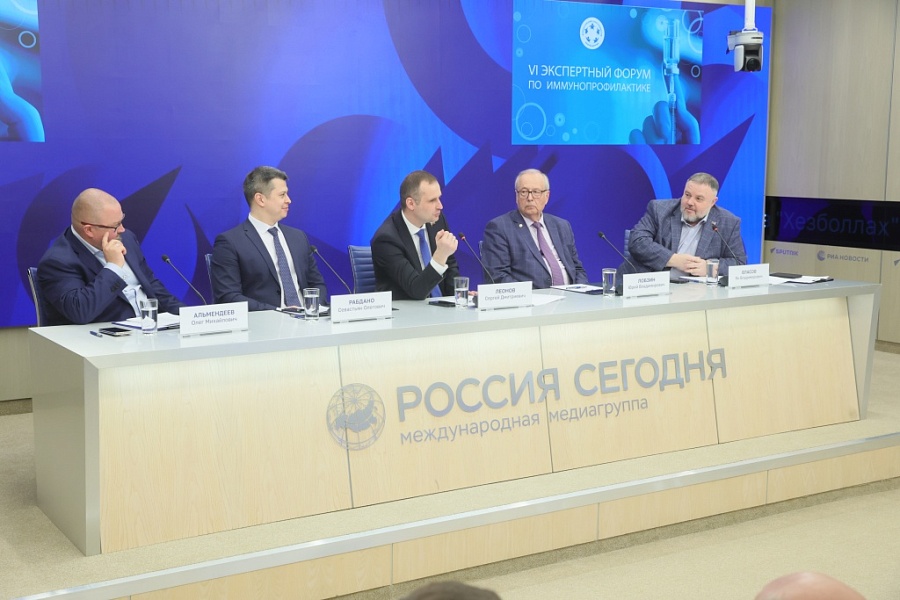
Experts report a steady increase in meningococcal infection in Russia. Over the first eight months of 2025, the incidence increased 3.9 fold compared to 2024 figures[1], and, as specialists noted during the Expert Forum on Immunoprophylaxis of the All-Russian Union of Patients, the situation continues to deteriorate. Delays in including the meningococcal vaccine in the National Immunization Schedule (NIS) are resulting in preventable loss of life and placing a heavy burden on the budget. Experts therefore called for this issue to be resolved as quickly as possible.
Yury Lobzin, Doctor of Medical Sciences, Professor, Academician of the Russian Academy of Sciences, and Chief External Specialist of the Russian Ministry of Health for pediatric infectious diseases, called meningococcus the most severe of all vaccine preventable infections: according to official data alone, the case fatality rate reaches 16%.
According to the expert, a particularly alarming fact is the rising incidence of generalized forms of meningococcal infection (GMI). GMI is characterized by rapid progression and can be fatal within 24 hours. The increase in these forms after the pandemic has been observed across all age groups, but especially among young children and adolescents aged 13–17 years.
Meningococcal infection currently ranks first among the causes of death from infectious diseases in children[2]. About 70% of those who survive the disease require long-term rehabilitation[3]. Possible consequences include severe central nervous system disorders, cognitive impairment, damage to the musculoskeletal system and other organ systems. Recovery is often difficult or even impossible.
According to Yury Lobzin, the consequences of the disease can be catastrophic. Physicians recently managed to save a 2.5-year-old child who had to undergo bilateral leg amputation because of the risk of death due to severe secondary intoxication. The treatment cost exceeded RUB 20 million. Vaccination is significantly less expensive: it substantially reduces both direct and indirect healthcare costs, and also helps save lives and health.
Unfortunately, the inclusion of the meningococcal vaccine in the National Immunization Schedule (NIS) has been postponed for many years.
Sergey Leonov, Deputy of the State Duma of the Russian Federation and member of the Working group on meningococcal infection, stated that the State Duma Health Committee is ready to support the decision to include the meningococcal vaccine in the NIS:
Experts concluded that any delay in including the vaccine in the National Immunization Schedule translates into human lives lost, above all the lives and health of children, as well as additional economic burden. They called for an urgent decision to include vaccination against meningococcal infection in the NIS to be made as soon as possible.
1 Expert discussion at the round table “Approaches to the Prevention of Meningococcal Infection in Russia: Challenges and Solutions.” Epidemiology and Vaccine Prevention. 2026;25(1):121–124 (in Russian) 2 Korolyova M.A., Gritsay M.I., Koroleva I.S., Akimkin V.G., Melnikova A.A. Purulent bacterial meningitis in the Russian Federation: epidemiology and vaccine prevention. Population Health and Habitat. 2022;30(12):73–80 (in Russian) 3 Mazankova L.N., Tebenkov A.V., Rossina A.L. Meningococcal infection in children: new challenges. Pediatrician’s Practice. 2021;(3):25–29 (in Russian)
Russia postpones expansion of National Immunization Schedule: total burden of infections far exceeds vaccination costs