Russia postpones expansion of National Immunization Schedule: total burden of infections far exceeds vaccination costs
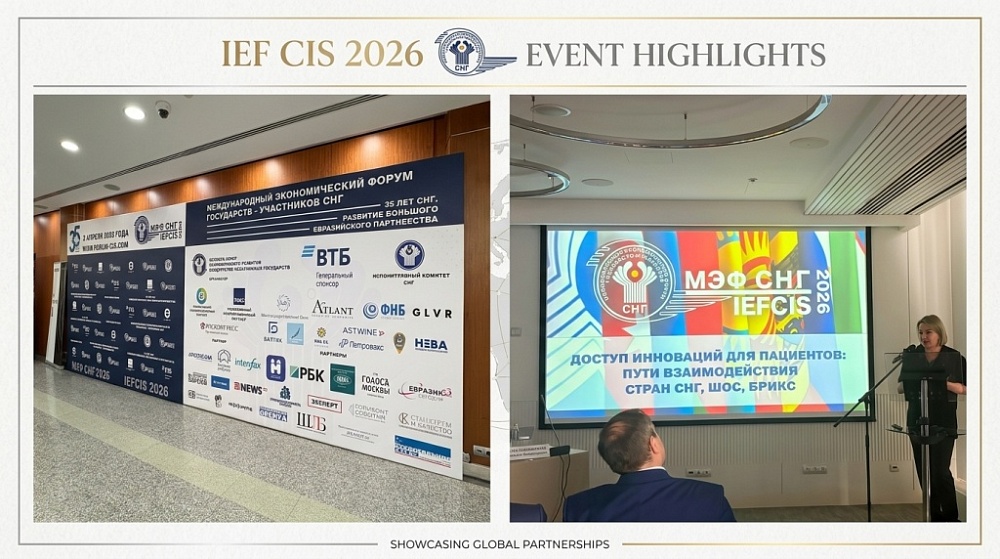
In Russia, the National Immunization Schedule currently includes vaccination against only 12 of the 30 serious vaccine preventable infections. Leading experts discussed the need to expand the national vaccination schedule at the International Economic Forum of the CIS Member States. Nigina Rabieva, Director for Legal Affairs and Project Management at Petrovax Pharm, took part in the roundtable "Access to Innovation for Patients: Pathways for Cooperation Between CIS, SCO, and BRICS Countries."
Vaccination remains one of the key tools for preventing dangerous infectious diseases and reducing their complications. The pace of expansion of national immunization schedules varies across countries. Reasons include insufficient budget funding and regulatory barriers. There are more than 30 vaccine preventable infections worldwide. Russia’s National Immunization Schedule (NIS) includes only 12 of them.
Despite the growing prevalence of meningococcal infection and repeated calls from both the expert and patient communities to accelerate the start of routine immunization against this pathogen, expansion of the NIS is not expected before 2027.
Among the issues requiring discussion is the current methodology used to assess the economic burden of vaccine-preventable infections. Today, decision-making is based primarily on direct medical costs. However, the real consequences of infections are much broader: they include the quality of life of patients and their families, years of lost productivity, additional burden on the healthcare system, and long-term economic damage.
In a number of CIS countries, including Belarus, Uzbekistan, Kyrgyzstan, and Kazakhstan, there is already a trend toward expanding national immunization schedules. At the same time, legislation within the EAEU and the CIS remains insufficiently harmonized. Even when a manufacturer has a full cycle of development and localization of an innovative product, it is still forced to undergo multiple procedures in each individual country, which creates additional administrative barriers and slows patient access to innovation.
Concluding her remarks, the expert outlined three key areas for further discussion and joint action: improving the methodology for assessing the economic burden of vaccine-preventable infections by taking into account total direct and indirect costs; harmonizing legislation governing vaccine circulation across the EAEU and CIS; and exploring mechanisms for coordinated procurement of preventive products among Commonwealth countries.
At the EAU Congress in London, experts presented data on the potential of Longidaza in restoring male fertility after COVID-19