Vitamin and mineral supplementation during pregnancy: expert recommendations
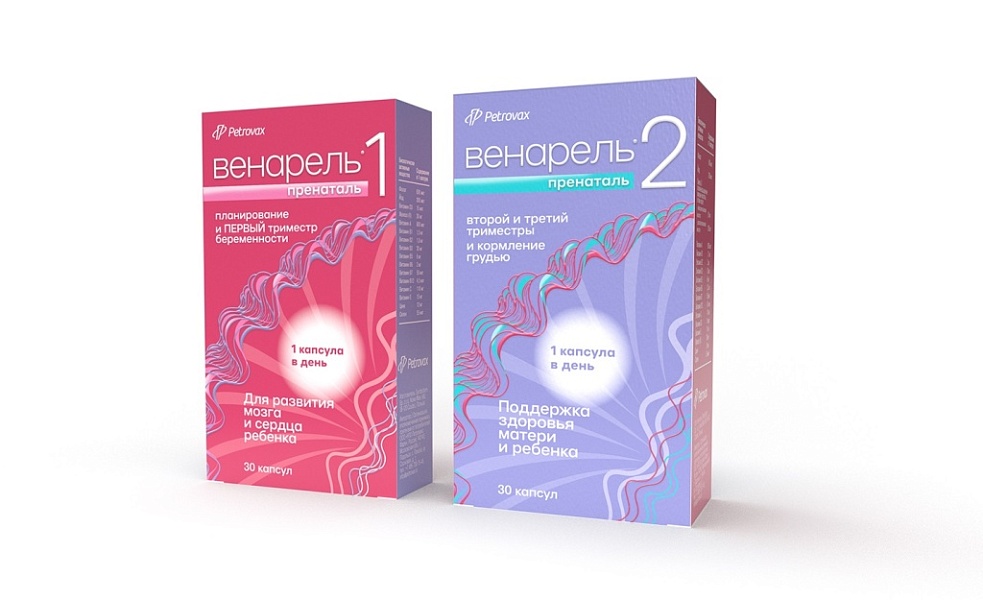
Many Russian women of reproductive age face deficiencies in vitamins and micronutrients that play a key role in a healthy pregnancy and fetal development. In a new publication in the journal Obstetrics and Gynecology: News, Opinions, Training, experts emphasized the importance of a personalized approach to nutrient selection for the prevention of pregnancy complications[1]. The authors highlight the Venarel® Prenatal vitamin and mineral complex, designed to support women preparing for pregnancy and to maintain health throughout gestation.
According to studies, only 10% of women in Russia who plan pregnancy take vitamin complexes[2]. Meanwhile, nutrients such as folates, iron, iodine, vitamins D and A, and omega-3 fatty acids play a crucial role in fetal development and help reduce the risk of complications — including neural tube defects, fetal growth restriction, preterm birth, preeclampsia, and impaired brain development in the child.

The article summarizes current evidence on the role of vitamins and minerals during preconception and pregnancy. It also provides an expert analysis of Venarel® Prenatal in the context of contemporary scientific data and clinical guidelines.
Venarel® Prenatal was developed in accordance with the clinical guidelines of the Russian Ministry of Health "Normal Pregnancy"[3], the WHO recommendations on nutritional anemia[4], and established physiological nutrient requirements for each trimester.
The formulation includes 12 vitamins and 4 essential micronutrients that comprehensively support the health of the expectant mother.
• Chelated iron (ferrous bisglycinate) — a well-absorbed form of iron with a proven safety profile and a lower risk of gastrointestinal adverse effects. The 30 mg dose is the optimal prophylactic level recommended in Russia for preventing iron deficiency anemia — one of the most common pregnancy-related conditions.
• Iodine is essential for normal thyroid function and fetal brain development, helping reduce the risks of neurological disorders, preeclampsia, and preterm delivery. According to the Normal Pregnancy guidelines, a daily intake of 200 µg is recommended to prevent iodine deficiency and support fetal neurogenesis. The complex provides the full daily requirement for pregnant women.
• Active folate (L-methylfolate) and vitamin D (600 IU) are important for the proper development of the fetal nervous system, brain, and bone tissue.
• Zinc participates in DNA synthesis and immune system function.
• Selenium has antioxidant properties and supports thyroid function.
• Vitamin A contributes to normal fetal development and vision formation.
• Vitamin C supports immune function, collagen synthesis, antioxidant defense, and iron absorption.
• Vitamin E acts as an antioxidant, protecting cells and supporting healthy skin and mucous membranes.
• B-group vitamins (B1, B2, B3, B5, B6, B7, B12) are vital for the normal functioning of the nervous and digestive systems.
• Omega-3 fatty acids play an important role in the development of the child’s brain and vision.
The use of active, bioavailable forms of nutrients supports maternal health and fetal development at every stage of pregnancy. At the same time, individual differences in diet and metabolism should be considered to ensure a personalized approach to vitamin and mineral supplementation.
1 Romanov A.Yu., Baranov I.I. Personalization of vitamin and mineral support during pregnancy as a strategy for preventing complications and improving perinatal outcomes. Obstetrics and Gynecology: News, Opinions, Training. 2025; 13(4): 81–91. DOI: https://doi.org/10.33029/2303-9698-2025-13-4-81-91
2 Baranov I.I., Dmitriev M.E., Popovich L.D., Tetruashvili N.K., Yarmolinskaya M.I., Zimokha A.Yu. et al. Micronutrient status of women in the Russian Federation: effects on pregnancy course, perinatal outcomes, and demographic indicators. Obstetrics and Gynecology: News, Opinions, Training. 2021; 9(4): 44–51. DOI: https://doi.org/10.33029/2303-9698-2021-9-4-44-51
3 Normal Pregnancy. Clinical Guidelines of the Ministry of Health of the Russian Federation. https://cr.minzdrav.gov.ru/preview-cr/288_2
4 World Health Organization. (2017). Nutritional anaemias: tools for effective prevention and control. World Health Organization. 2017 https://apps.who.int/iris/handle/10665/259425 License: CC BY-NC-SA 3.0 IGO