Implementing Innovations in Russia: How to Increase Accessibility of Medicines for Patients
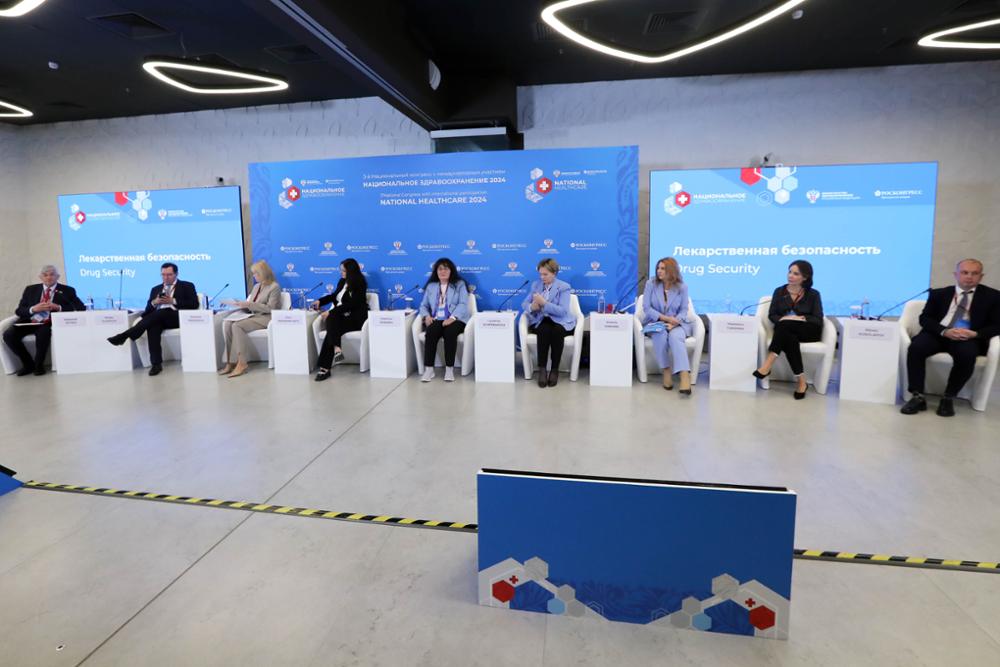
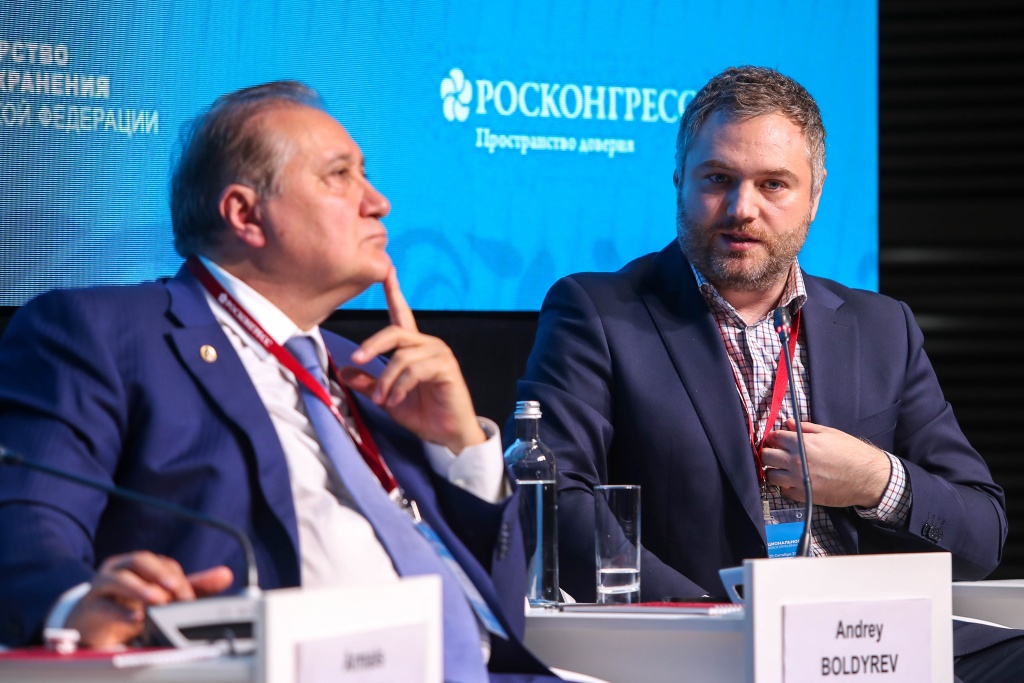
Technological sovereignty and technological leadership, the implementation of innovations and providing patients with high-quality drugs are the key priorities that the state and pharmaceutical companies are focused on today. These and other issues were discussed by government and pharmaceutical industry representatives at the III National Healthcare Congress.
Medicines should be accessible to patients both in terms of range and price, noted Sergei Glagolev, Deputy Minister of Health of the Russian Federation, at a session on drug safety.
Today, such innovations accessible to the state and patients are also appearing in Russia, in particular, in such an important segment as orphan diseases. For example, the project of the Petrovax company in partnership with the N.F. Gamaleya National Research Center of Epidemiology and Microbiology for deep localization of Fabagal® (agalsidase beta) for the treatment of Fabry disease has already reduced the cost of therapy by 40%.
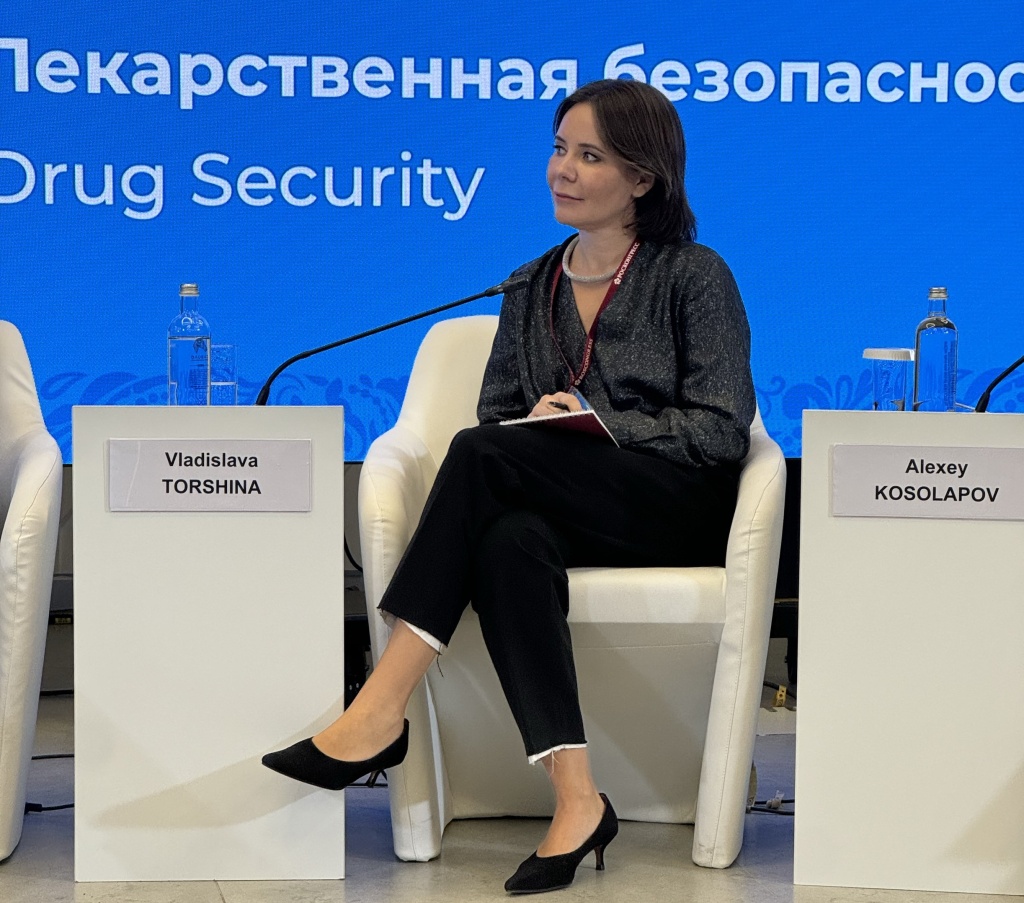
However, successfully addressing issues of technological sovereignty does not always contribute to real accessibility of drugs for patients. For example, many auctions for the purchase of drugs for the treatment of Fabry disease are announced under the trade names of expensive foreign drugs. Sergei Glagolev emphasized that it is necessary to monitor the validity of the registration of drugs by decision of the medical commission. According to representatives of the pharmaceutical industry, federal purchases of orphan drugs could be the optimal solution for saving budget funds and would ensure equal access to therapy for all patients in all regions.
Another barrier that slows down the introduction of innovations into clinical practice is the time frame for including new drugs in Clinical Guidelines and the list of Vital and Essential Drugs. Now this process takes more than 1-2 years. This is critical for many patients, especially in oncology. Until the drug is included in Clinical Guidelines and the list of Vital and Essential Drugs, access for patients is extremely limited, since it cannot be purchased using compulsory medical insurance funds, despite the uniqueness of its indications and the lack of alternative treatment regimens. The creation of a mechanism that allows for the payment of modern therapy for life-threatening diseases using regional budget funds will improve the quality of medical care for seriously ill patients.
Cooperation with the BRICS countries opens up broad prospects for innovative development. Today, many new developments are being patented, including in pharmaceuticals, where companies from China are leading. This has been achieved through colossal investments. According to the Dutch Rathenau Institute, China’s investment in research and development has allowed it to outpace the 27 EU countries combined and the US in terms of investment growth rates.
Currently in Russia this disease is characterized by a high mortality rate, the only option for its treatment is chemotherapy. The original immuno-oncological drug, which Petrovax expects to register in Russia this year, is a unique opportunity to extend and improve the quality of life of these patients. The drug has undergone international clinical trials, including in Russia[1]. In the future, it is planned to localize it in a full cycle at Petrovax.
Forum participants noted that opportunities for providing patients with modern and high-quality drugs are expanding in Russia. Conditions are being created for accelerated examination and registration, and cooperation with partners in the BRICS countries will ensure the availability of therapy with breakthrough drugs.
1 https://clinicaltrials.gov/search?intr=Camrelizumab