Fertility treatment reimagined: why experts are turning to comprehensive therapy
Every fifth couple in Russia faces a diagnosis of infertility, with over 70% of cases involving a combination of both female and male factors[1]. Modern treatments for endometriosis, chronic endometritis, and azoospermia can help achieve pregnancy even in complex cases. Leading experts discussed advanced approaches to increase the likelihood of conception at the XIX International Congress on Reproductive Medicine.
Endometriosis is one of the common causes of female infertility. It affects one in ten women worldwide[2]. The condition is associated with systemic inflammation and accumulation of low-molecular-weight hyaluronic acid, which promotes fibrotic processes and adhesion formation[3].
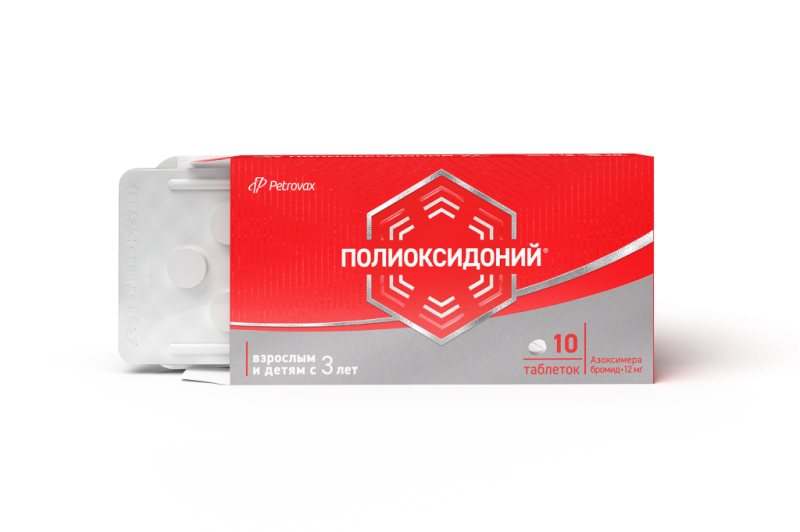
According to the expert, an important part of comprehensive therapy is the use of agents that reduce inflammation and prevent adhesion formation. For example, bovhyaluronidase azoximer regulates the synthesis of inflammatory mediators and exerts an antifibrotic effect without damaging healthy connective tissue. In combination with gonadotropin-releasing hormone agonists (GnRH-a), the drug increases the effectiveness of endometriosis treatment, reduces pain and adhesions, and improves pregnancy rates compared with standard GnRH-a therapy (41.8% vs 36.4%, respectively)[5].
Chronic endometritis is another cause of infertility that is receiving growing attention from specialists today[6].
Up to 50% of infertility cases are associated with the male factor. One common cause of male infertility is azoospermia, which affects about 1% of men worldwide[9].
In most cases, obstructive azoospermia develops against the background of chronic inflammation. The use of bovhyaluronidase azoximer, which targets inflammation and excessive fibrous tissue growth, may help manage obstructive azoospermia. According to study data[10], a course of therapy led to the appearance of motile spermatozoa in the ejaculate in one out of eight patients. The study also reported improved effectiveness of postoperative treatment after microsurgical vasoepididymostomy: spermatozoa were detected in 89% of men who received the drug, compared with 63% in the group without it[10].
Among the causes of reproductive disorders in women, experts also highlight metabolic stress, which may be accompanied by menstrual cycle disturbances, hormonal imbalance, insulin resistance, and weight gain.
The most extensively studied forms of inositols are myo-inositol (MI) and D-chiro-inositol (DCI). Research shows that the MI/DCI combination in a 40:1 ratio is considered optimal, contributing to the restoration of the menstrual cycle and normalization of the hormonal profile in patients with metabolic disorders accompanied by chronic anovulation, including polycystic ovary syndrome (PCOS)[11].
Experts highlight Venarel® Inosit, developed with the optimal 40:1 ratio of myo-inositol to D-chiro-inositol and an effective chromium dose of 200 μg. The formula is further enhanced with alpha-lipoic acid, folic acid, vitamin D₃, and manganese. This combination of components is designed to support carbohydrate and lipid metabolism, help reduce the severity of metabolic disturbances, and may be used throughout a woman’s lifetime as part of a comprehensive metabolic profile correction strategy.
Reproductive disorders are no longer an unsolvable problem. Modern therapeutic approaches make it possible to successfully address inflammation, adhesions, hormonal imbalances, and male infertility factors. Experts emphasize that early diagnosis and comprehensive treatment significantly increase the chances of pregnancy, even in cases with combined causes.
Background Information
Longidaza® (bovhyaluronidase azoximer) is an enzyme-based medicinal product with prolonged anti-inflammatory and antifibrotic effects, with more than 20 years of clinical use. It is used for the treatment and prevention of conditions associated with inflammation and connective tissue hyperplasia (fibrosis, adhesions)[12], [13]. The drug is applied in urology, gynecology, pulmonology, surgery, dermatology, cosmetology, and rheumatology.
1 Korneeva I.E., Nazarenko T.A., Perminova S.G., Mityurina E.V., Tsybizova T.I., Dashieva A.E. Medical and social factors of infertility in Russia. Obstetrics and Gynecology. 2023;(3):65–72. https://dx.doi.org/10.18565/aig.2022.279 (in Russian)
2 Hunsche, Elke et al. “Endometriosis Symptoms and Their Impacts on the Daily Lives of US Women: Results from an Interview Study.” International journal of women's health vol. 15 893-904. 1 Jun. 2023, doi:10.2147/IJWH.S409733
3 Kareva E.N., Donskov S.V. Hyaluronic acid and hyaluronidase: from molecular mechanisms to clinical use. Gynecology. 2025;27(2):157–171. doi:10.26442/20795696.2025.2.203308 (in Russian)
4 Giudice, Linda C. “Clinical practice. Endometriosis.” The New England journal of medicine vol. 362,25 (2010): 2389-98. doi:10.1056/NEJMcp1000274
5 Yarmolinskaya M.I., Selkov S.A., Manuilova T.Yu., Bezhenar V.F., Rulev V.V., Selyutin A.V., Tkhazaplizheva S.Sh. Efficacy of the proteolytic drug Longidaza in combined treatment of adhesive disease in patients with external genital endometriosis. Immunology. 2015;36(2):116–121 (in Russian)
6 Cicinelli, Ettore et al. “Should patients be screened for chronic endometritis before assisted reproductive technology?” Fertility and sterility vol. 118,4 (2022): 639-652. doi:10.1016/j.fertnstert.2022.08.846
7 Tapilskaya N.I., Kopylova A., Budilovskaya O.V., Krysanova A.A., Khusnutdinova T.A., Savicheva A.M. Evaluation of the efficacy of bovhyaluronidase azoximer in the treatment of chronic endometritis in women with implantation failure. Women’s Clinic. 2020;(2):66–72 (in Russian).
8 Lokshin V.N., Askar E., Rybina A.N., Abshekenova A.T., Karibaeva Sh.K., Valiev R.K. Experience with bovhyaluronidase azoximer as part of combination therapy for chronic endometritis in women with recurrent implantation failure. Obstetrics and Gynecology. 2023;(5) (in Russian).
9 Haghpanah A, Ayareh N, Akbarzadeh A, Irani D, Hosseini F, Moghadam FS, et al. Differentiating between obstructive and non-obstructive azoospermia: A machine learning-based approach. BJUI Compass. 2025; 6(2):e493. https://doi.org/10.1002/bco2.493
10 (Web source) Male infertility: a urologist’s and a gynecologist’s perspective. https://himedtech.ru/articles/muzhskoe-besplodie-mnenie-urologa-i-ginekologa.html?ysclid=ml0kot35w6242201789 (in Russian)
11 Unfer, Vittorio, and Giuseppina Porcaro. “Updates on the myo-inositol plus D-chiro-inositol combined therapy in polycystic ovary syndrome.” Expert review of clinical pharmacology vol. 7,5 (2014): 623-31. doi:10.1586/17512433.2014.925795
12 Dereje G. Gete, Jenny Doust, Sally Mortlock, Grant Montgomery, Gita D. Mishra,Impact of endometriosis on women's health-related quality of life: A national prospective cohort study, Maturitas, Volume 174, 2023, Pages 1-7, ISSN 0378-5122. https://doi.org/10.1016/j.maturitas.2023.04.272
13 Kulchavenya E.V., Shevchenko S.Yu., Cherednichenko A.G., Breusov A.A., Vinitskiy A.A. New opportunities for the use of hyaluronidase in chronic prostatitis. Urology. 2020;(3). https://dx.doi.org/10.18565/urology.2020.3.56-62 (in Russian)