Pharma of trust: how cultural codes influence access to innovative treatment
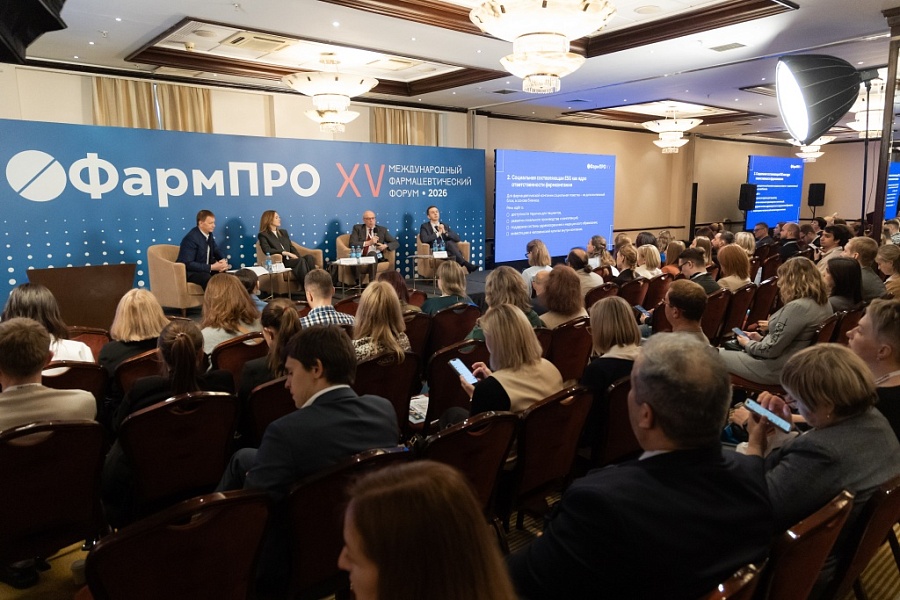
At the 15th Pharmaceutical Forum PharmPRO-2026, experts discussed how cultural codes in Russia shape pharmaceutical company strategies, regulatory approaches, and the development of patient-centric models. The event took place on April 23 in Moscow.
The context for the discussion was set by Alexander Auzan, Dean of the Faculty of Economics at Lomonosov Moscow State University and author of the book Cultural Codes of the Economy, who emphasized the fundamental role of trust:
According to Mikhail Tsyferov, President of Petrovax Pharm, the industry operates in an environment of low trust, and he outlined this as a key reality:
This path is currently being followed by the original immuno-oncology drug camrelizumab (Areima®), which has been localized for full-cycle production in Russia. In 2025, it became the only domestically developed molecule included in the EDL. However, significant work still lies ahead to ensure its full accessibility, including inclusion in clinical guidelines and Diagnosis-Related Groups (DRGs). For domestic companies, this process is too lengthy, which may hinder innovation. Experts today emphasize the importance of introducing a regulatory fast-track system, which could become a powerful stimulus for the development of the Russian biotech pharmaceutical industry.
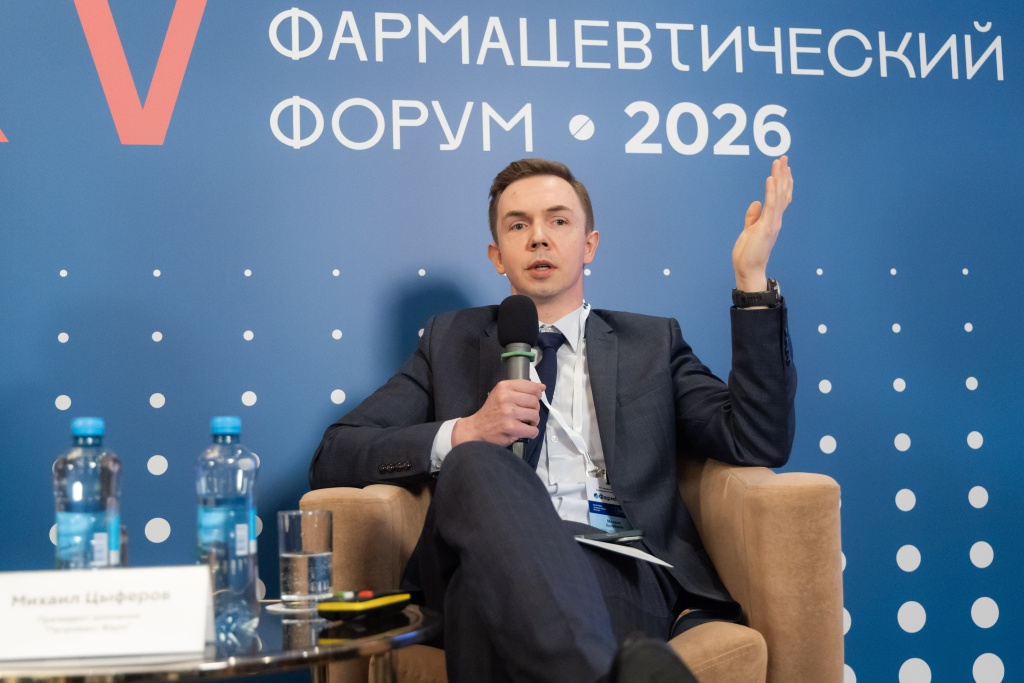
A focus on the patient is not merely a declaration but a strategic priority:
Participants of the session agreed that building new institutions of trust is a key prerequisite for accelerating patient access to innovative medicines. Achieving this requires long-term efforts, transparency, and dialogue among all stakeholders in the healthcare system, from physicians to regulators.
Petrovax Pharm’s meningococcal vaccine localization project wins the Platinum Ounce Award