Experts discuss new approaches to mentorship in medicine
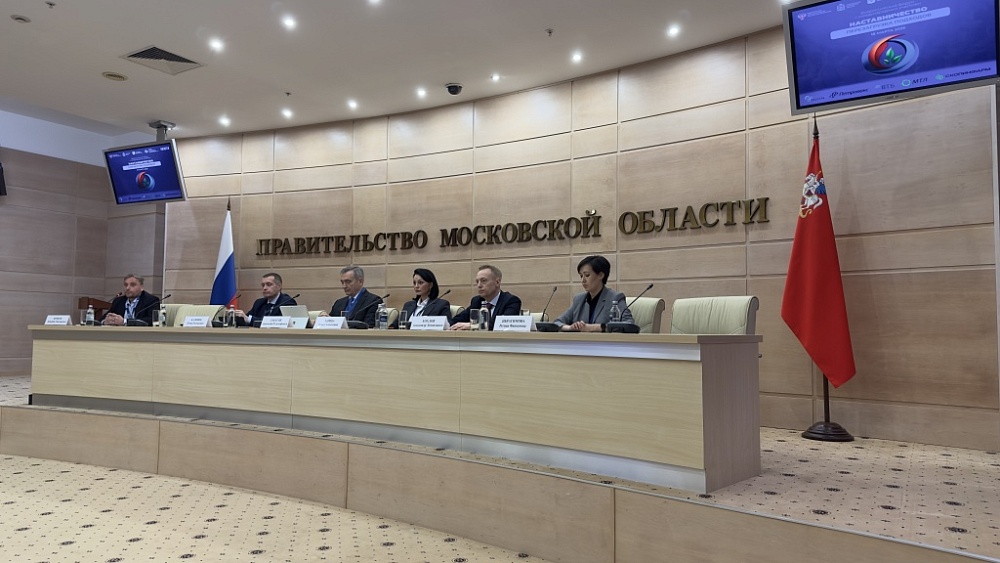
Since 2026, mentorship has become a mandatory component of medical education in Russia. At the same time, this form of support for young professionals has long been widely used in both academic and business environments. Leading experts discussed modern models of cooperation between educational institutions and employers, as well as new mentorship practices for young specialists, at the All-Russian Forum with international participation "Mentorship. Rethinking Approaches".
Mentorship is an important element of continuing medical education, and significant changes have taken place in this area in recent years, emphasized Maksim Zabelin, Deputy Chairman of the Government of the Moscow Region and Minister of Health.
Since March 1, 2025, mentorship has become an officially recognized and paid form of support provided by experienced employees to newcomers, following amendments to the Labor Code of the Russian Federation, said Oleg Yanushevich, Rector of the Russian University of Medicine of the Ministry of Health of Russia. Starting from March this year, the training of medical university graduates through a mentorship system has become mandatory.
Students, interns, and early-career specialists entering the profession often face a range of challenges—new environments, new expectations, and high levels of responsibility. Employers’ task is to make this transition as smooth and effective as possible. Young professionals, particularly in medicine, need support not only in mastering professional skills but also in building communication and teamwork.
Representatives of the pharmaceutical company Petrovax Pharm shared their experience in developing a mentorship program. The project includes internships for university and vocational college students at the company’s manufacturing facilities, offices, and R&D center, as well as educational events, guided tours, and participation in career development programs. In 2025, more than 100 students visited the Petrovax Pharm production complex in the Moscow region, 40 students completed internships, and 10 of them continued their careers at the company.
Students who come for internships in the pharmaceutical industry are the future engineers, scientists, and leaders of Russia’s innovative pharma sector. According to the company, the environment created for them today will shape the industry tomorrow. An open culture of collaboration, a high level of empowerment and trust, and minimal bureaucracy also help foster engagement and responsibility among newcomers.
Summarizing the roundtable "Professional Mentorship Practices and Their Integration into the Educational Process", Dmitry Kryazhev, CEO of the business publication Vademecum, noted that effective collaboration between universities and industry is becoming a crucial factor in workforce development. Such initiatives enable students to gain employment opportunities, businesses to secure a pipeline of skilled professionals, and educational institutions to access new technologies.