How the dietary supplements market is changing in Russia: the need to shift toward medical standards
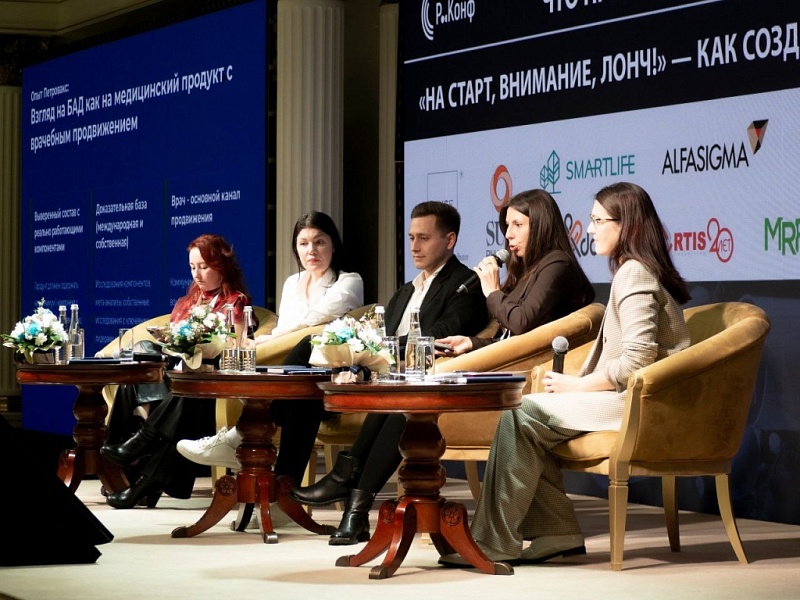
According to Russian Public Opinion Research Center (VCIOM), the consumption of dietary supplements (DS) in Russia has increased from 23% to 89%[1] over the past 10 years. Around 50% of consumers take DS regularly, and for 62%, scientifically proven efficacy has become an important factor in purchase decisions[2]. These trends, experts note, reflect major structural changes in the market. Its further development should be driven by product quality, evidence-based support, transparent regulatory processes, and active involvement of the medical community. These conclusions were presented at the industry conference "What Is Happening in the Dietary Supplements Market?".
More than 31,000 unique dietary supplement stock keeping units (SKUs) have been approved in Russia[3] — already exceeding the number of registered medicinal products. According to DSM Group analysts, the market is growing by 15–20% annually, while real consumption dynamics remain moderate at around 5% per year[4].
Over the past decade, the culture of DS consumption has undergone fundamental changes. Although many consumers still make decisions about taking supplements without diagnostics or specialist consultations, the demand for specific effects, transparent composition, and scientific evidence has increased significantly. According to Ekaterina Voinilovich, Head of Marketing at Petrovax Pharm, today’s customers would no longer accept vague emotional promises. Instead, they review composition, compare ingredients, check evidence, effectively expecting dietary supplements to meet the medical level of transparency standards.
She also noted that around 70% physicians practice a cautious approach to prescribing DS, typically as an adjunct to primary treatment.
In this context, the key strategic direction for the DS market should be a transition to medicalized products, built on three core principles: a carefully designed composition with clinically meaningful active ingredients, the availability of both international and Russian sources of evidence, a focus on promotion within medical chsnnels.
Other experts agreed, emphasizing that the DS market must shift from quantity to quality, and that its future will depend on: the development of unified evidence standards, a greater role for the medical community, expansion of clinical research, the growing share of online channels, and assortment optimization in favor of products supported by more rigorous evidence.
1 https://wciom.ru/analytical-reviews/analiticheskii-obzor/bady-chto-o-nikh-znayut-rossiyane-i-kak-chasto-prinimayut
2 https://www.invitro.ru/moscow/about/press_relizes/issledovanie-invitro-9-iz-10-oproshennykh-prinimayut-bady-i-tolko-kazhdyy-tretiy-po-rekomendatsii-vr/
3 https://pharmvestnik.ru/content/news/Kak-izmenitsya-rossiiskii-rynok-BAD-posle-sentyabrya.html
4 https://pharmtech-expo.ru/ru/media/news/2023/september/22/biologicheski-aktivnye-dobavki-pharmtech/